

Righteous Brand’s Community: The Way Members Are Building a Movement
The true narrative behind We Are Righteous takes shape right where the people who wear it bring it out into the world, because an apparel label is only as powerful as such a following. This is not a brand built merely by ad budgets norstar-driven placements. Instead, it is a brand shaped in comment feeds, in group chats, in resell forums, and in the way people tag each other under just one hoodie post from the line. Community has emerged as the driving force, and the product merely serves as the excuse for people to gather. If you examine carefully how this community formed, it becomes clear there is a pattern echoing other durable streetwear brands: a small group of early believers who converse, clash, and in time win strangers over as customers.
The reason this certain community stands out is because interesting feature comes down to how outspoken it is about transparency. Folks go beyond simply posting look shots; extended, uncompromising review threads get written, breaking down the stitching, the fit, and the post-ten-wear wash results. That level of scrutiny is unusual, and it has forced the brand to stay accountable in ways that pure marketing never could. Buyers, in practice, jointly oversee quality control, producing a feedback loop — and attention gets paid by the brand because the community is the https://righteous.eu.com/shorts-sweatpants/ channel of distribution.
Where Our Community Actually Comes to Life
Rather than clustering around a single leading channel, the We Are Righteous following is spread out across a handful of distinct platforms—a setup that is by design.
The Instagram feed drives the look-and-feel, with community members sharing outfit posts and tagging the brand handle for a shot at being reshared.
Discord-style group chats and invite-only forums hold space for the nitty-gritty talk, where when items come back in stock, fit inconsistencies, and future releases get picked apart sentence by sentence.
Reddit conversation chains and independent blogs occasionally turn up a review of we are righteous that explores more technical depth than a product page ever would.
Mailing lists carry real weight here too, which surprises people who assume younger shoppers ignore inboxes. Early access to limited runs is often the top reason behind newsletter subscriptions, given that followers have figured out that righteous apparel drops fly off the shelves and seldom return in the same colorway. This isn’t artificial hype cooked up for attention; it reflects authentically restricted output, and followers regard that as a serious matter. Across fan circles, missing a drop by six minutes has grown into an inside joke—half frustration, half badge of honor.
Local get-togethers have also begun surfacing in a handful of cities, organized without official backing by fans instead of the brand itself. They tend to be small meetups, at times under twenty attendees, centered on trading pieces, sizing up sizing between various collections, and capturing fits as a group. What could be more grassroots: fans organizing their own gatherings around a apparel label unprompted, which reveals a lot about devotion.
Fan-Made Content as the True Promotional Engine
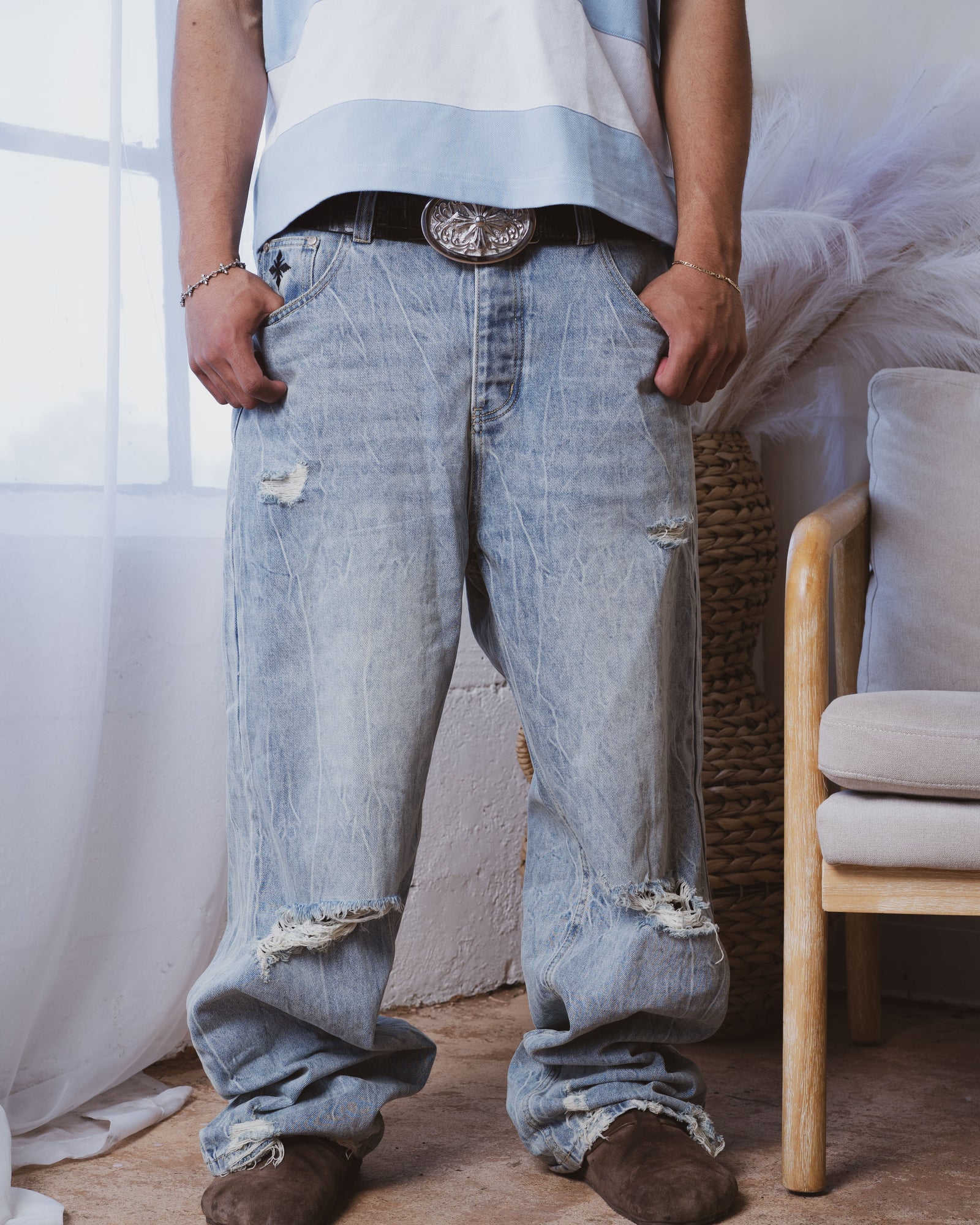
Query anyone who follows street fashion with any real interest and they will confirm that user-generated content now beats sponsored promotion for brands at this phase of development. We Are Righteous profits significantly from this dynamic. Because it comes from someone the audience already trusts, one well-shot photo of the righteous hoodie styled with mismatched outerwear can generate more engagement than a studio campaign. Fans are not compensated promoters in most cases; they are buyers who appreciated how a garment fit and wanted to flaunt it.
This kind of content also does something a brand’s own imagery cannot: it reveals real bodies, natural lighting, genuine everyday context. A controlled studio shot conveys shape and flow far less persuasively than watching a person wear a piece on a commute, at a show, or on a weekend getaway. That authenticity is precisely why so many customers now seek out a righteous review before buying anything, preferring a stranger’s honest take over brand copy. The community has effectively become the brand’s most trustworthy sales team, unpaid but deeply invested.
There is also a additional effect worth pointing out. Content made by fans often stacks up pieces against other labels they own—unintentionally generating unpaid competitive analysis for onlookers. A shopper looking into righteous clothing brand quality can, within a few swipes, see it stacked up against a handful of other names in the comparable price bracket. A decade ago, transparent, informal comparison shopping did not exist in fashion, and it has since elevated standards for everyone, including this one.
Comparing How Communities Behave
Streetwear communities vary considerably, and understanding those distinctions clarifies why the We Are Righteous fanbase seems set apart. The table below compares typical interaction patterns across three typical community types in this category, based on documented activity rather than brand claims.
| Community Type | Leading Platform | Main Activity | Usual Posting Rate |
|---|---|---|---|
| Fan community of We Are Righteous | Instagram + private chat groups | Fit checks, drop alerts, honest reviews | Multiple times a week around drops |
| Large general streetwear community | TikTok | Trend-based haul videos, unboxing content | Daily, large output |
| Niche reseller and collector community | Forums and Discord | Authentication, price tracking, trading | Ongoing, nonstop, minimal visual content |
This comparison shows that the We Are Righteous community sits somewhere between the high-frequency chaos of mainstream trend culture and the quieter, more technical world of collector forums. It is visual enough to feel current but detailed enough to feel trustworthy, and that balance is not something a brand can fully engineer on its own.
How Shopper Responses Influences the Product In Its Own Right
One of the more underrated parts of this ecosystem is how directly community feedback shapes decisions about righteous apparel. Revised fit notes on later product pages have in the past stemmed from sizing complaints brought up in a review thread. Fans themselves casually monitor asks to bring back stock on specific pieces, alerting the brand directly once interest climbs to a noticeable threshold. This is not a formal focus group process; it is more akin to an ongoing, unstructured conversation that winds up affecting real outcomes.
What the community expresses looks like it influences choices about colorways especially. Fans openly ask for that same colorway to return if a limited righteous hoodie drop sells through in a matter of hours, and those requests accumulate in comment sections until they become impossible to overlook. How upcoming batches get planned is guided by the visibility of that demand, regardless of whether each request is granted. Set against the traditional top-down fashion model most people grew up with, this is a far more transparent relationship between shopper and label.
How true-to-size pieces run has become an especially frequent topic of conversation. Because members trade feedback over repeated purchases, recognizable patterns appear in no time — whether an item fits as expected, runs a touch large, or works best layered. New shoppers researching righteous clothing before buying often rely on these crowdsourced sizing notes more than the official size chart alone, treating community consensus as a second layer of confirmation.
What This Means Heading Into 2026
As the company pushes further into 2026, the community dynamic appears poised to intensify rather than weaken. More cities are experiencing informal meetups form, a growing number of independent reviewers are publishing thorough analyses, and a growing share of first-time buyers are arriving already primed by a fellow buyer’s genuine we are righteous review rather than impersonal ad copy. That signals a notably distinct shopper experience compared to what most fashion brands encounter, and it raises the bar for product quality to continue keeping pace with the conversation surrounding it.
There’s likewise a growing expectation among the fanbase that the company will keep listening, not just putting out releases. When feedback leads to an update, groups shaped by this sort of engagement expect a response—even something as small as a blurb nodding to a widely-made ask, because silence doesn’t sit well with them. Such anticipation ups the ante but also strengthens loyalty, because people remain committed to brands that visibly respond to them.
Ultimately, the vibe that’s grown around We Are Righteous has been constructed more through conversation than campaigns. Fans comparing fits, arguing over sizing, organizing their own meetups, and publishing unsponsored reviews have done more to define the brand’s identity than any single marketing push could. Because it relies so heavily on continued trust, this organic base is delicate in certain respects—and still it holds up with unusual resilience. A community that forms on its own tends to protect what it created, and that dynamic is poised to go on defining this brand long past this year.